
Why Choose Telehealth Over Waiting Lists
When Waiting Feels Endless, Here’s Another Way
If you’ve been told to wait months for therapy, you’re not alone. Many adults, carers, and families feel stuck while the days roll on.
Goals stall, routines slip, and anxiety grows. It’s like watching a bus drive past every week while you’re still at the stop. But it doesn’t have to stay that way.
Telehealth lets you start therapy sooner, from your own space, with the same care and quality you’d get in person.
Here, your first Telehealth session is offered within two weeks. That’s quick, human, and responsive, the way support should be.
Real Support Starts With A Real Person
One participant once said the biggest difference was being “heard straight away.” That’s the thing about Telehealth, you don’t wait months just to speak to someone.
You’re met by a person who listens, explains the next steps, and checks what works best for you.
You’ll always get a call back, often the same day.
From there, your therapist works with you to plan sessions that fit your energy, routines, and daily life.
Whether you live in the city, a rural town, or somewhere in between, support comes to you, not the other way around.
Therapy That Fits Around You
Think of it like moving banking online, the service didn’t change, it just became easier to access. That’s how Telehealth works.
Sessions can happen wherever you feel comfortable, your lounge, kitchen table, or backyard. For older adults, that means less travel and fatigue. For carers, it means no more rushing through traffic after work.
For parents, it means you can join in while your child feels safe in their own space.
If you’re living with limited mobility or chronic pain, this option often means therapy can finally be consistent, no missed sessions because transport fell through or the weather turned bad.
You Don’t Miss Out On Quality
Online doesn’t mean “less.” Every appointment follows the same standards as in person therapy.
Reports are still high quality, the kind that make NDIS reviews easier and more successful.
Your therapist will still assess your needs, document progress, and coordinate with others involved in your care. What’s different is the pace.
Things move faster because communication is clear and you stay connected between sessions. You can even mix Telehealth and in person support, whatever works best for your goals.
Why Waiting Lists Don’t Have To Hold You Back
Many people don’t realise that unused NDIS funds don’t roll over. Waiting lists mean lost opportunities, and sometimes, lost confidence too.
Telehealth helps you start while motivation is high. You don’t have to wait for someone to drive out, or for a clinic slot to open.
You can begin working toward what matters most, getting stronger, calmer, or more independent, right away. And because the first appointment happens within two weeks, you feel momentum from day one.
Real Stories Of Getting Life Moving Again
Support coordinators often say what stands out most is how fast everything moves once a referral reaches Take Charge.
Lizabete from Diversify Your Support Services shared that her participants “no longer wait months to receive reports. We get them straight away.”
Eve from Connecting Minds said the same, her clients got an assessment and report within a week when it was urgently needed.
These stories show what happens when speed meets care. It’s not just about filling an appointment slot. It’s about easing the load for everyone, participants, carers, and coordinators alike.
How Telehealth Feels Day To Day
Picture this, you start your session from home. No buses, no taxis, no juggling family schedules. You log in, your therapist greets you by name, and together you focus on what you want to change this week.
For adults, that might be practising stress management or improving sleep routines. For older adults, it could be balance exercises or memory strategies.
For carers, it’s often about learning small ways to make daily life safer and calmer.
Each session builds on the last. Progress feels natural, not forced, because therapy blends into your real world, not an appointment room.
When Things Make Sense, Life Feels Easier
Carers often describe the relief that comes once things are explained clearly. You stop wondering if you’re “doing it wrong.” You start to see simple steps that work for your situation.
Therapists take the time to explain what’s happening, why it matters, and how you can apply it at home.
That clarity reduces stress. It brings calm back into the household, whether that’s a family home, supported living environment, or aged care setting.
Therapy That Works Because You’re Part Of It
You won’t be told what to do, you’ll be asked what matters to you. Therapy is collaborative. You and your therapist agree on goals together and adjust them as life changes.
Whether you’re rebuilding strength after illness, managing anxiety, or learning new communication tools, you stay in charge of your plan.
Because when you feel part of it, progress sticks.
A Human Team Behind Every Call
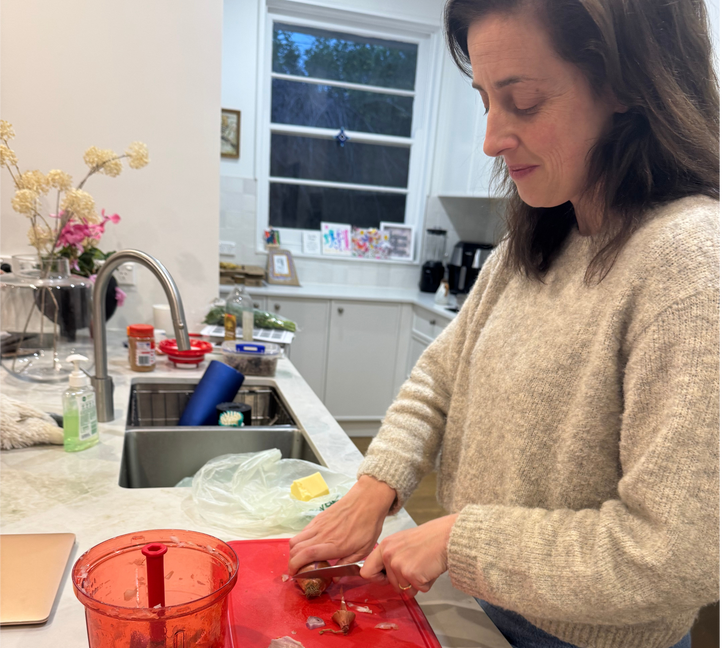
Behind every Telehealth session is a real person, someone who calls when they say they will, who listens when things feel hard, and who adjusts when life doesn’t go to plan.
That’s what people notice about us. They’re not just known for quality, they’re known for care. As one team member said, “We know their mornings are more difficult than our entire week.
That’s why we try to make things as easy as we can.” That empathy shows up in every conversation, every report, every follow up email.
From The First Call To Your First Session
It starts simple. You fill out a short form or make a quick call. You’ll hear back the same day to confirm the details, no chasing, no silence. Then your first Telehealth session is booked within two weeks.
If it turns out your needs would be better met elsewhere, you’re referred quickly to someone trusted. That’s honesty in action.
Every step is guided, clear, and backed by people who genuinely care about your wellbeing.
Take The First Step Toward Feeling Supported
You don’t need to wait for the “perfect time.” You just need a place to start.
Telehealth makes therapy possible when travel, time, or distance get in the way. It’s therapy that works around your life, not the other way around.