
Speech Therapy That Helps You Feel Heard
Every person has something to say.
Sometimes the words come easily, other times they take a little longer. Whether it’s a child learning to communicate or an adult rebuilding confidence after illness or injury, speech therapy can help open doors.
It’s not about changing who you are. It’s about finding ways to share your thoughts and feel proud doing it.
Why The Right NDIS Support Builds Confidence
If you or someone you support needs more time with words, that’s okay. With the right guidance, communication can become easier and less stressful.
Speech therapy gives practical tools for everyday life, through words, gestures, pictures, or technology. Each small success builds confidence and helps others see what’s possible.
A Story Of Hope And Connection
Susan remembers when her son Ethan was young. Teachers said, “He’ll talk when he’s ready,” but she could sense he needed more.
With the right support, Ethan began using words that mattered to him. Today, Susan shares her story so other parents, and carers, know there is a way forward.
It’s a bit like watching a flower open. At first, nothing seems to happen, then a single petal unfolds. Before long, the whole garden brightens. That’s what it feels like when someone finds their voice, they shine.
Communication Assessments And Therapy
Speech therapy is about connection, not perfection.
For children, that might mean building language through games or school routines. For adults, it might mean regaining speech after a stroke, or feeling confident in conversations at work.
Sessions may involve:
- Turning sounds into words.
- Using visuals or communication aids.
- Building social interaction and turn-taking.
- Expanding vocabulary through daily routines.
The aim is always the same, to help people communicate safely, clearly, and in their own way.
Mealtime Management And Swallowing Therapy
Swallowing and mealtime safety are a big part of speech therapy too.
For some adults, this might mean learning safer ways to eat or drink after surgery or illness. For children, it can mean making mealtimes calmer and less stressful.
A Mealtime Management or Swallowing Assessment helps identify what’s working well and what could make eating easier or safer.
Therapy might include adjusting food textures, strengthening muscles, or changing posture while eating.
Every Step Forward In Therapy Counts
Progress looks different for everyone.
For one family, it might be a child’s first clear word. For an older adult, it might be enjoying a meal again without worry. Each step matters, because it brings comfort, connection, and dignity back into daily life.
Speech therapy isn’t just about talking. It’s about being understood, feeling safe, and having more calm in the moments that used to feel hard.
NDIS Support That Lifts Everyone Involved
Therapy doesn’t just help the person receiving it, it also supports the people who love and care for them.
Many parents and carers feel pressure to “do it all.” Having support is not giving up responsibility; it’s sharing it.
You’ll learn small things to do at home, like using songs, routines, or everyday tasks to build communication or swallowing skills. Over time, those small moments make a big difference.
Getting Started Is Simple
Beginning therapy can feel like a big step, but we keep it clear and calm. A short call, a few easy questions, and we take it from there.
If forms feel too much, we’ll help you complete them. What matters is moving forward without extra stress.
Here’s how it works:
- You reach out by phone or form.
- We call you back the same day.
- A first session is booked within weeks.
- Therapy begins, online or in person.
No long waitlists. Just a smooth start towards your child’s goals.
Strong Reports That Strengthen NDIS Plans
Good reports tell your story clearly. A well-written speech therapy report shows your strengths, outlines what helps, and explains the supports you need.
These reports often help during NDIS reviews, shaping access to more therapy, assistive tech, or community supports.
Support coordinators value these reports because they reflect real progress and real outcomes.
Online Or Face-To-Face: Both Can Work
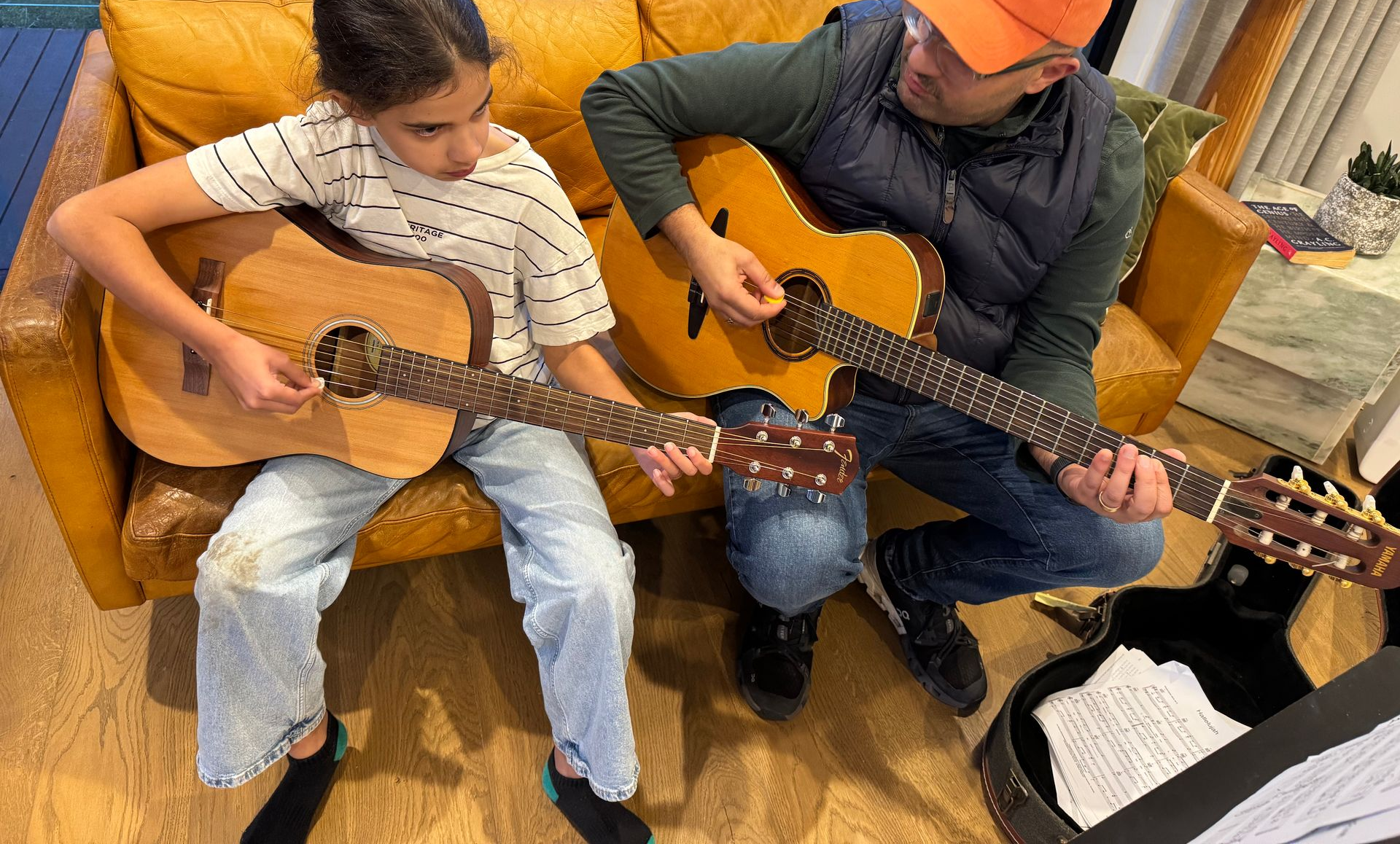
Some people love in-person sessions, others feel more relaxed online. Both options are effective.
One participant’s carer said her husband, who rarely spoke with new people, connected easily with his therapist through the screen. It felt safe, familiar, and productive.
Flexibility matters. You can switch between options to suit your comfort and schedule.
Beyond Words: Therapy That Transforms Daily Life
Speech therapy is about more than words, it’s about quality of life. It can mean calmer mealtimes, easier communication, or simply feeling heard.
It’s kind of like turning on a light in a dark room. Suddenly, everything feels clearer and less heavy.
Support That Feels Human
From the first call, people notice the difference. You’re not talking to a call centre, you’re talking to someone who listens.
Reports are delivered promptly, and if something needs adjusting, it’s handled with care and honesty.
Mistakes can happen in any service, but what defines a good one is how it’s handled, quickly, kindly, and with respect. That’s what builds trust.
Why Your Wellbeing Matters Too
Caring for someone who’s working through communication or swallowing challenges can be tiring. Many carers tell us they feel torn between wanting to give their best and feeling stretched thin.
Therapy isn’t just about progress on paper, it’s about bringing calm back into your home. Taking time to rest, breathe, or chat with someone who understands helps you keep going.
Think of self-care like topping up your oxygen mask before helping someone else. When you care for yourself, you’re stronger for them too.
You’re not doing this alone. With the right support, balance is possible, fewer meltdowns, easier mealtimes, and a stronger sense of, “We’ve got this.”
Ready To Feel Heard And Understood?
Every person deserves the chance to be heard.
Speech therapy helps children, adults, and older adults express themselves, through words, gestures, or safe eating.
It’s not about changing who you are. It’s about helping your voice be heard.