
NDIS Home Modification Assessments That Actually Help
Your home should feel like a place of comfort, not a challenge. When small details like steps, bathrooms, or narrow hallways get in the way, daily life can feel harder than it needs to.
An NDIS home modification assessment isn’t just a formality. It’s the first step towards making your home safer, easier to use, and more supportive of your independence.
Why Home Modifications Can Make Life Easier
Imagine being able to move around your home without second guessing yourself. That’s what many families describe after a proper home modification assessment.
It’s like fixing a roof before the rain arrives. Once it’s secure, you can relax and focus on living. An assessment gives you more than a report; it gives you confidence that change is possible.
What An NDIS Home Modification Assessment Looks Like
Every recommendation starts with you. Your routines, strengths, and goals shape the assessment. That might mean adding a ramp, adjusting a bathroom, or widening access points.
The focus is on practical changes that match your lifestyle. As the Participant Handbook explains, you’re always at the centre of the process, with your goals leading the way.
Fast Responses That Keep Things Moving
Families remember when OT reports took months. Today, things move much faster. Here, you’ll hear back quickly, often within hours.
Assessments are booked without delay, and first Telehealth sessions are offered within two weeks. That speed means your report is ready when you need it, keeping your supports on track.
NDIS Reports That Get Results
A NDIS home modification report is valuable when it achieves the right outcome. Support coordinators often share that our reports are clear, detailed, and more likely to be approved.
Families say the same: a strong report can turn what feels like a stressful meeting into a smooth, constructive one.
Real Stories Of Homes Made Safer
Every assessment is designed to put you at the centre. The Participant Handbook explains that your strengths, goals, and preferences guide every decision.
This means home modifications are not just about ramps or rails, but about making sure your home supports your independence.
Why Family And Advocates Matter In Home Assessments
Families are invited into the process, and advocates can be part of planning so your voice is heard.
These changes bring more than safety, they create calm, confidence, and freedom in daily life. When your home works with you, routines flow more smoothly and family life feels lighter.
The Step-By-Step Process Made Simple
Here’s how it works:
You or your support coordinator send a referral, providing as much detail that you have on hand. The intake team calls back the same day, asks a few simple questions, and matches you with an OT.
An assessment is then booked, and the report is prepared for your plan review or funding request. It’s a clear process designed to make life easier.
Common Home Modifications That Make A Big Difference
Every home is different, but there are changes that often make life easier for many participants. Ramps and rails are a starting point, helping you enter and move through your home safely.
Simple Home Changes That Restore Independence
Bathrooms are another focus, with level shower entries, slip resistant flooring, and grab rails giving people back confidence and privacy.
Widening doorways and hallways allows wheelchairs or walkers to pass through smoothly. In the kitchen, lowering benches and adjusting cupboards can make cooking less stressful.
These are simple examples, but they show how small adjustments create real independence. Families often describe the relief they feel once their home is set up to support, not restrict, daily routines.
How Telehealth Fits Into Home Modification Assessments
Not every step needs to happen face to face. Telehealth makes it easier to start quickly and stay in touch without long delays.
Many families say they like having the first session online, because it removes the stress of travel and gets the ball rolling sooner.
Faster Starts, Smoother Progress With Telehealth Support
Support coordinators also appreciate the speed, knowing the OT can start gathering details right away. When a home visit is needed, it’s planned with care, but Telehealth ensures no time is wasted waiting.
It’s a flexible approach that works around you and your family, keeping progress steady.
How Families Know Their Needs Are Heard And Valued
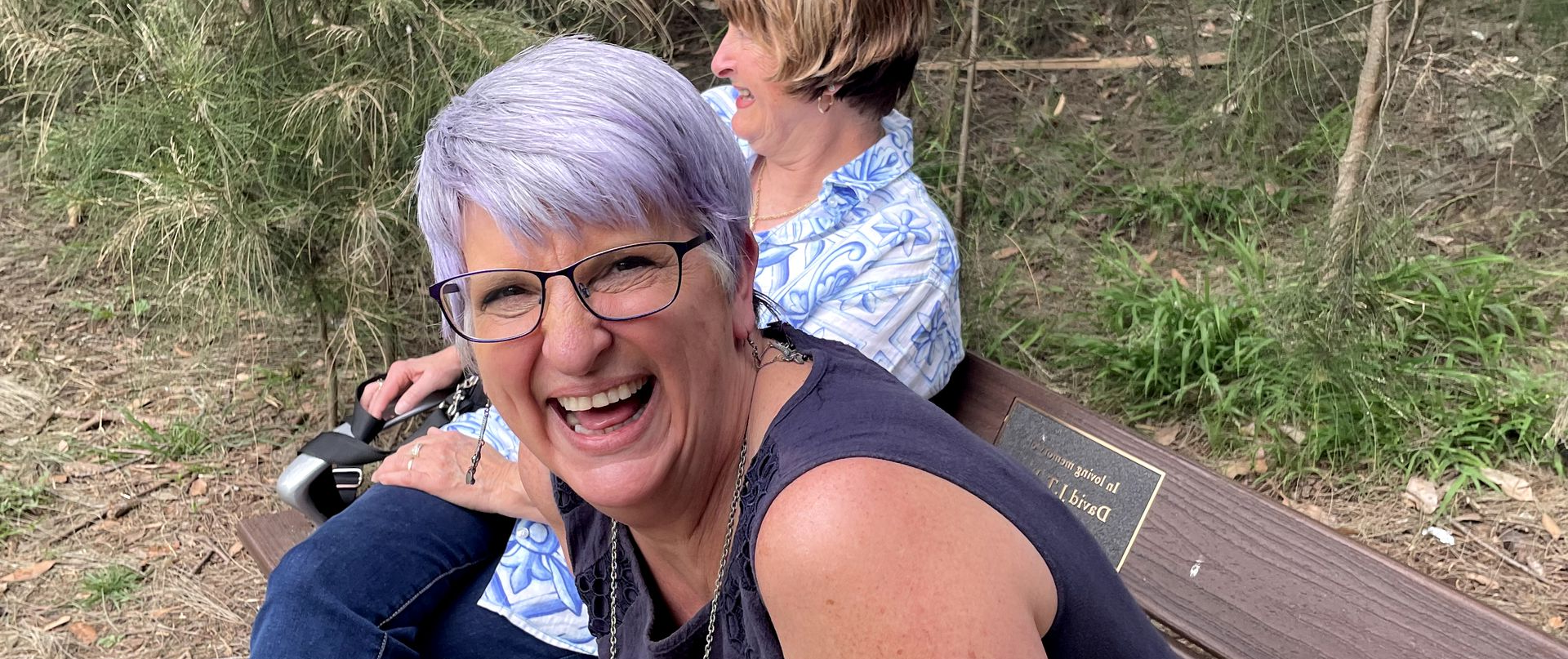
Families say they feel respected throughout the process. Assessments are never rushed, and recommendations are practical.
If small changes are needed in a report, they’re made without fuss. That flexible approach builds confidence and helps families feel supported at every step.
Support Coordinators Value The Clarity
Support coordinators manage many moving parts. They tell us our reports stand out because they’re delivered quickly and include exactly what the NDIS looks for.
That efficiency helps secure funding faster, meaning participants and families can move forward with fewer delays.
Your Rights And Choices Always Come First
You have the right and freedom to lead the process. That means your voice and goals guide every decision. You can ask questions, involve your advocate, and shape the outcome.
It’s your home and your independence, and the assessment is there to reflect that.
The Difference Home Modifications Create
Once modifications are in place, families often describe a sense of ease. Daily routines flow more smoothly, and confidence grows.
What once felt like an obstacle becomes part of a supportive environment. That’s the real impact of an NDIS home modification assessment, helping you enjoy your home with less worry and more freedom.
Get Your NDIS Home Modification Assessment Started Now
If your home could work better for you, an assessment can make that possible. The right support helps you feel confident, safe, and ready to live with greater ease.
Whether you’re a participant, a family member, or a support coordinator, the process starts with a simple call.